Hydration and Crohn’s Disease: Why IBD Makes Dehydration a Constant Risk
Inflammatory bowel disease creates a persistent dehydration challenge. Chronic diarrhea, impaired absorption, and surgical history all increase fluid loss. Staying hydrated is one of the most important daily management tasks for IBD patients.
Last updated: April 2026
IBD
in IBD patients
= well-hydrated
Why IBD Creates Chronic Dehydration Risk
Inflammatory bowel disease, which includes Crohn’s disease and ulcerative colitis, affects the gastrointestinal tract in ways that directly impair the body’s ability to maintain fluid balance. Unlike healthy individuals who lose small, predictable amounts of water through normal digestion, IBD patients face multiple simultaneous pathways of fluid loss.
Chronic Diarrhea
The hallmark symptom of active IBD. During flares, patients may have 10 or more bowel movements per day, each carrying significant water and electrolyte losses that far exceed normal stool water content.
Impaired Absorption
Inflammation damages the intestinal lining, reducing its ability to absorb water and nutrients. Even when drinking adequate fluids, the inflamed gut may fail to retain them.
Surgical Complications
Many Crohn’s patients undergo bowel resections, reducing absorptive surface area. Short bowel syndrome, a consequence of extensive resection, causes severe malabsorption and high-output fluid loss.
Medication Side Effects
Some IBD medications (including certain biologics and immunomodulators) can cause nausea or diarrhea as side effects, adding to fluid losses on top of the disease itself.
The IBD and Kidney Stone Connection
IBD patients face approximately twice the risk of developing kidney stones compared to the general population. This elevated risk stems from three converging factors:
- Chronic dehydration concentrates urine. When fluid losses from diarrhea are not fully replaced, urine becomes more concentrated, increasing the likelihood of stone-forming crystals.
- Fat malabsorption increases oxalate absorption. In Crohn’s disease affecting the ileum, unabsorbed bile salts and fatty acids in the colon bind to calcium, leaving free oxalate to be absorbed. This excess oxalate is excreted by the kidneys, forming calcium oxalate stones.
- Metabolic acidosis from bicarbonate loss. Chronic diarrhea depletes bicarbonate, leading to metabolic acidosis. The kidneys compensate by producing more acidic urine, which promotes uric acid stone formation.
Maintaining adequate hydration is one of the most effective ways to reduce kidney stone risk in IBD patients, as dilute urine is less likely to form stones regardless of the underlying metabolic factors.
What the Research Shows
Hydration Strategies for IBD Patients
Hydration management for IBD requires more attention than for healthy individuals, because fluid losses are less predictable and can escalate quickly during flares.
- Separate urinary from bowel frequency. IBD patients often have high bowel movement counts that do not reflect hydration status. Focus on urinary frequency (7+ per day indicates adequate hydration) rather than total bathroom visits.
- Increase fluids proactively during flares. When diarrhea increases, fluid losses accelerate. Do not wait for thirst. Increase fluid intake as soon as you notice flare symptoms.
- Consider oral rehydration solutions. Plain water may not be enough during active disease. Solutions containing sodium, potassium, and glucose (like WHO oral rehydration salts) help the intestine absorb water more efficiently, even when inflamed.
- Sip throughout the day. Large volumes at once may worsen GI symptoms. Small, frequent sips are better tolerated and allow more time for absorption.
- Monitor for dehydration signs. Dark urine, dizziness when standing, dry mouth, fatigue, and muscle cramps are early warning signs. Headaches can also signal dehydration.
- Discuss with your gastroenterologist. Fluid needs vary significantly based on disease location, activity, and surgical history. Your doctor can provide personalized guidance and may recommend IV hydration during severe flares.
Monitoring Hydration with IBD
For IBD patients, consistent hydration monitoring can help catch dehydration early, before it leads to complications like kidney stones, fatigue, or hospitalization. But traditional water tracking (logging every glass) adds friction to an already demanding daily management routine.
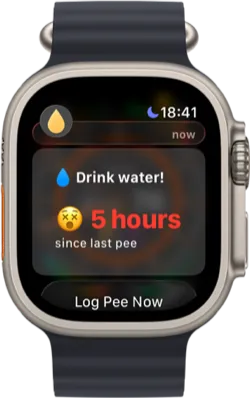
P Water App: hydration tracking without the hassle
Instead of logging every glass of water, P tracks how often you go to the bathroom. Research shows 7+ bathroom visits per day means you’re well-hydrated. One tap on your way to the bathroom, and you’re done.
a visit
= hydrated
to measure
For IBD patients, P’s daily count provides an objective hydration baseline. During remission, your normal count establishes what adequate hydration looks like for you. During flares, watching that count drop signals that your fluid losses are outpacing your intake, giving you an early warning to increase fluids or contact your care team.
P sends reminders when it’s been a long time since your last bathroom visit, helping you maintain consistent fluid intake even on days when GI symptoms make eating and drinking less appealing. Track from your Apple Watch or iPhone.
Related Conditions
- Kidney Stones and Hydration: IBD patients have 2x the kidney stone risk. Dilute urine from adequate hydration is the most effective preventive measure.
- Gout and Hydration: Like kidney stones, gout involves crystallization in concentrated conditions. IBD patients with both conditions benefit from consistent hydration monitoring.
- GLP-1 Medications and Hydration: Some IBD patients also take GLP-1 medications for related metabolic conditions. These medications further increase dehydration risk.
Stay Ahead of Dehydration with IBD
One tap on the way to the bathroom. Track your daily hydration and catch fluid imbalances before they become complications.

Frequently Asked Questions
Multiple pathways of fluid loss. Chronic diarrhea (often 10+ bowel movements per day during flares), impaired intestinal absorption from inflamed or damaged lining, surgical resections that reduce absorptive surface area, and medication side effects all contribute. During active flares, fluid losses can exceed what most people replace through normal drinking.
It depends on disease activity and individual factors. During remission, general guidelines apply: enough to produce 7+ bathroom visits per day. During flares with active diarrhea, fluid needs increase significantly. Oral rehydration solutions may be more effective than plain water. Your gastroenterologist can provide personalized guidance.
Yes, approximately 2x the general population risk. Chronic dehydration concentrates urine, fat malabsorption increases oxalate absorption (forming calcium oxalate stones), and bicarbonate loss from diarrhea creates acidic urine (promoting uric acid stones). Maintaining adequate hydration is one of the most effective preventive measures. See our kidney stone guide for more.
Watch for these early signs: dark yellow or amber urine, reduced urination frequency (fewer than 6 times per day), dry mouth, dizziness when standing, fatigue, and muscle cramps. For IBD patients, these can develop gradually from chronic low-grade fluid loss and may not trigger normal thirst. Tracking bathroom visit frequency helps catch dehydration before it becomes severe.
Track urinary frequency, not just bowel movements. While bowel movement counts vary with disease activity, urinary frequency remains a reliable hydration indicator. Research shows 7+ urinary visits per day indicates adequate hydration. P Water App lets you log with one tap, helping monitor whether fluid intake is keeping pace with losses.
This page summarizes peer-reviewed research for educational purposes. It is not medical advice. IBD is a serious condition requiring ongoing medical management. Consult your gastroenterologist for personalized hydration guidance, especially during flares. Hydration apps are wellness tools, not medical devices.