Glass Skin and Hydration: How Water Supports Clear, Dewy Skin
The glass skin trend has over 2 billion TikTok searches. While serums and moisturizers get most of the attention, research shows that internal hydration plays a foundational role in skin moisture, elasticity, and that coveted dewy glow.
Last updated: April 2026
water
for “glass skin”
to show in skin
What Is Glass Skin?
Glass skin is a Korean beauty (K-beauty) trend that describes skin so smooth, clear, and luminous that it appears translucent, like glass. It prioritizes a dewy, radiant finish over matte coverage, emphasizing the natural quality and hydration level of the skin itself rather than concealing imperfections.
The typical glass skin routine involves multiple hydration layers: double cleansing, toner, essence, serum, moisturizer, and sunscreen. But all of those external products work on the surface. Internal hydration, the water you drink, affects the skin from the dermis outward. Research suggests that the two work together: topical hydration seals in moisture, while adequate water intake ensures there is moisture to seal in.
How Internal Hydration Affects Your Skin
Skin is the body’s largest organ, and approximately 64% of it is water. The dermis (the layer beneath the visible surface) acts as a water reservoir. When you’re well-hydrated, the dermis supplies water to the epidermis (outer layer), maintaining its moisture, plumpness, and barrier function. When you’re dehydrated, this supply diminishes.
Skin Moisture
Adequate hydration increases the water content of the stratum corneum (the outermost skin layer). This is what creates the plump, dewy appearance associated with glass skin. Dehydrated skin looks flat and dull.
Barrier Function
The skin barrier (lipid layer) regulates transepidermal water loss (TEWL). When you’re dehydrated, TEWL increases, meaning your skin loses moisture faster. Adequate hydration supports barrier integrity from inside.
Elasticity
Hydrated skin has better turgor (bounce-back). This is why the “pinch test” on the back of your hand reveals dehydration: dehydrated skin returns to position more slowly. Well-hydrated skin appears firmer and smoother.
Cell Turnover
Epidermal cells turn over approximately every 28 days. Adequate hydration during this cycle supports healthier cell development. This is why it takes about a month of consistent hydration to see visible skin improvements.
What the Research Shows
The relationship between drinking water and skin appearance is an active area of research. While the evidence is not as extensive as for other health conditions, several controlled studies support the connection.
Building Hydration into Your Glass Skin Routine
Glass skin routines focus heavily on external hydration layers, but internal hydration is the foundation they build on. Here’s how to complement your skincare routine with consistent water intake:
- Hydrate consistently, not in bursts. Drinking a lot of water in one sitting does not bank hydration for later. Your body processes and excretes excess water. Steady intake throughout the day maintains consistent skin hydration.
- Start your morning with water. After 7–8 hours of sleep without fluids, your skin is at its most dehydrated. A glass of water before your morning skincare routine helps rehydrate from inside while your products work from outside.
- Monitor your hydration level. Research shows 7+ daily bathroom visits indicates adequate hydration. If your count is consistently below 6, your skin may not be getting the internal moisture it needs, regardless of how many serums you apply.
- Give it a full skin cycle. Epidermal turnover takes about 28 days. Commit to at least a month of consistent hydration before evaluating skin changes. Short-term experiments will not show meaningful results.
- Pair internal and external. Water intake provides moisture from the dermis outward. Hyaluronic acid serums and moisturizers prevent moisture loss from the surface inward. The combination is more effective than either alone.
Tracking Your Hydration for Better Skin
Most people overestimate how much water they drink. If you’re investing in a multi-step skincare routine but not tracking whether you’re actually hydrated, you may be undermining your own results. But logging every glass of water is tedious, and most people stop within a week.
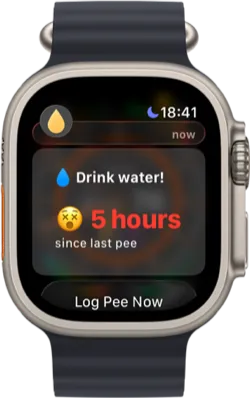
P Water App: know if you’re actually hydrated
Instead of logging every glass of water, P tracks how often you go to the bathroom. Research shows 7+ bathroom visits per day means you’re well-hydrated. One tap on your way to the bathroom, and you’re done.
a visit
= hydrated
to measure
For your glass skin routine, P gives you an objective answer to “Am I actually hydrated?” If your daily count is consistently at 7 or above, your internal hydration is supporting your skincare. If it drops below 6, no amount of hyaluronic acid will compensate for what your skin is missing from inside.
Track from your Apple Watch or iPhone. For more on the dermatological research behind hydration and skin health, see our comprehensive skin health guide.
Hydrate from the Inside Out
One tap on the way to the bathroom. Track whether your skin is getting the internal hydration it needs for that glass skin glow.

Frequently Asked Questions
Water alone will not give you glass skin, but adequate hydration is one of the foundations that makes it possible. Research shows that increasing water intake improves skin moisture and may reduce dryness, especially in people with low baseline intake. Glass skin requires both internal hydration and a consistent external skincare routine. Think of water as the base layer that makes your products work more effectively.
Studies showing skin improvements typically used 2 additional liters per day over 30 days. The biggest benefits were in people who were under-hydrating at baseline. A practical approach: aim for 7+ bathroom visits per day. If you are consistently below that, increasing water intake is likely to benefit your skin.
Allow at least 2 to 4 weeks. Epidermal cells turn over approximately every 28 days. Consistent hydration during this cycle supports healthier cell development. Short-term hydration bursts (drinking a lot one day) do not produce lasting skin benefits. Commit to at least one full skin cycle.
A Korean beauty trend describing skin so smooth, clear, and luminous that it appears translucent. It emphasizes a dewy, radiant finish rather than matte coverage. The trend has over 2 billion searches on TikTok and typically involves a multi-step hydration routine (cleansing, toner, essence, serum, moisturizer, sunscreen) combined with adequate water intake.
Yes. Dehydrated skin appears dull, feels tight, and shows fine lines more prominently. When the body is dehydrated, it reduces water delivery to the dermis, decreasing skin turgor (elasticity) and impairing the skin barrier. This increases transepidermal water loss, creating a cycle where dehydrated skin loses moisture even faster. For a deeper dive into the dermatology research, see our skin health guide.
This page summarizes peer-reviewed research for educational purposes. It is not medical or dermatological advice. Individual skin results depend on many factors including genetics, skincare routine, diet, and environment. Hydration apps are wellness tools, not medical devices.