Dehydration and Migraines: What Research Shows About Water and Headaches
Dehydration is one of the most commonly reported migraine triggers. Research suggests that increasing water intake may reduce both the frequency and intensity of headaches. Here’s what the evidence says.
Last updated: April 2026
by migraines
dehydration as a trigger
with increased water intake
Dehydration as a Migraine Trigger
Migraine sufferers frequently report dehydration or insufficient fluid intake as a trigger for their attacks. A survey of 95 migraineurs found that approximately 36% identified insufficient fluid intake as a factor that could provoke their attacks, placing it among the most common self-reported triggers alongside stress, sleep disruption, and hormonal changes.
A dehydration headache can occur on its own (typically a dull, diffuse ache) or act as the catalyst for a full migraine episode with aura, nausea, and photosensitivity. For people prone to migraines, even mild dehydration may lower the threshold for an attack.
How Dehydration Causes Headaches
The precise mechanism is not fully established, but researchers have identified several pathways through which dehydration may trigger head pain:
Reduced Blood Volume
Dehydration decreases blood plasma volume, which reduces blood flow to the brain. The brain responds to this reduced perfusion by dilating blood vessels, and this dilation may activate pain-sensitive nerves around the meninges.
Brain Volume Changes
The brain is roughly 75% water. When fluid levels drop, the brain may temporarily contract and pull away from the skull, activating pain receptors in the meninges. Rehydration reverses this shrinkage.
Electrolyte Imbalance
Dehydration disrupts sodium, potassium, and magnesium balance. These electrolytes regulate nerve signaling and blood vessel tone. Imbalances may increase neural excitability and lower the migraine threshold.
Serotonin Pathways
Dehydration can affect serotonin levels in the brain. Serotonin plays a key role in migraine pathophysiology, and fluctuations in serotonin are associated with the vascular changes that precede migraine pain.
What the Research Shows
While the connection between dehydration and headaches is widely accepted clinically, the intervention research is still developing. The strongest evidence comes from a handful of controlled trials testing whether increased water intake reduces headache burden.
Hydration Strategies for Migraine Sufferers
For people who experience dehydration-triggered headaches, the goal is consistent hydration throughout the day rather than reactive drinking after symptoms appear. By the time a dehydration headache starts, you are already behind.
- Drink consistently, not reactively. Sipping water throughout the day is more effective than drinking large amounts at once. Large gaps without fluids are the primary risk factor.
- Monitor bathroom frequency. Research shows 7+ daily bathroom visits indicates adequate hydration. If your count is consistently below 6, you may be chronically under-hydrated.
- Pay attention to known vulnerable times. Headaches often strike in the morning (overnight dehydration), after exercise, in hot weather, and after alcohol. Front-load water intake around these periods.
- Keep a headache diary alongside hydration data. Tracking both bathroom visits and headache occurrences over 2 to 4 weeks can reveal whether low-hydration days correlate with headache days. This pattern, if present, is strong evidence that dehydration is a trigger for you.
- Consider electrolytes, not just water. If you sweat heavily or eat a low-sodium diet, plain water may not be enough. Electrolyte balance matters for migraine prevention, particularly magnesium, which has its own evidence base as a migraine preventive.
Tracking Hydration to Identify Your Triggers
Migraine management is largely about identifying and avoiding personal triggers. If dehydration is one of yours, consistent hydration tracking can help you stay ahead of it. But traditional water tracking (measuring and logging every glass) is tedious and most people abandon it within a week.
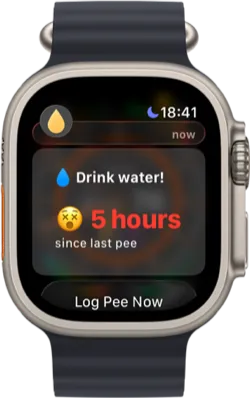
P Water App: hydration tracking without the hassle
Instead of logging every glass of water, P tracks how often you go to the bathroom. Research shows 7+ bathroom visits per day means you’re well-hydrated. One tap on your way to the bathroom, and you’re done.
a visit
= hydrated
to measure
For migraine sufferers, P’s daily count gives you an objective hydration metric to correlate with your headache diary. On days when your bathroom count drops below your normal range, you have an early warning that dehydration may be building. Over time, you can see whether your headache days cluster around low-hydration days.
P sends reminders when it’s been a long time since your last bathroom visit, helping you catch dehydration gaps before they trigger symptoms. You can track from your Apple Watch with a single tap, or from your iPhone via widgets and shortcuts.
Related Conditions
Dehydration-triggered headaches often overlap with other conditions where hydration plays a role:
- ADHD and Hydration: ADHD medications can suppress thirst and appetite, increasing dehydration risk. Many people with ADHD also experience frequent headaches.
- Intermittent Fasting and Hydration: Fasting removes food-sourced water and meal-based hydration cues. Headaches during fasting are often a sign of dehydration rather than hunger.
- Athletic Hydration: Exercise-induced dehydration is a common headache trigger. Post-workout headaches often resolve with rehydration.
Stay Ahead of Dehydration Headaches
One tap on the way to the bathroom. Track your daily hydration and spot patterns before they become migraines.

Frequently Asked Questions
Dehydration is a recognized migraine trigger. Survey studies report that roughly one-third of migraine sufferers identify dehydration or insufficient water intake as a trigger for their attacks. The mechanism likely involves reduced blood volume, changes in brain perfusion, and electrolyte imbalances that activate pain pathways.
Research suggests it may help. A randomized controlled trial found that increasing water intake by 1.5 liters per day reduced total headache hours by 21 hours over a two-week period. While more research is needed, staying consistently hydrated may reduce the frequency and severity of dehydration-triggered headaches.
There is no single amount proven to prevent migraines. A practical approach is to drink enough to produce 7 or more bathroom visits per day, which research indicates adequate hydration. For migraine sufferers, consistency matters most: avoiding large gaps without fluids is more important than hitting a specific daily volume.
Typically a dull, aching pain felt across the entire head or localized to the front or sides. Dehydration headaches often worsen with movement, bending over, or walking. Unlike migraines, they usually do not include aura, nausea, or light sensitivity, though dehydration can trigger a full migraine episode in susceptible individuals.
Track your daily bathroom visits. Research shows that 7+ visits per day indicates adequate hydration, while 6 or fewer suggests you may not be drinking enough. If you notice headaches on days when your bathroom count is low, dehydration may be a contributing factor. P Water App lets you log visits with a single tap and shows your daily hydration status, making it easy to spot the pattern over time.
This page summarizes peer-reviewed research for educational purposes. It is not medical advice. If you experience frequent or severe headaches, consult a healthcare professional. Hydration apps are wellness tools, not medical devices.