Festival Hydration: How to Stay Hydrated at Outdoor Events
Long sets, hot pavement, alcohol, dancing, and bathroom lines can make a good weekend feel rough fast. Here’s how to stay aware without turning the festival into homework.
Last updated: September 2026
P: hydration awareness without drink logging
Instead of asking you to log every cup, bottle, can, and shared drink, P tracks bathroom visits. Research links pee frequency with hydration level. Logging a visit takes seconds from iPhone or Apple Watch, and P is a free app.
a visit
your wrist
tracking
Why Festivals Dehydrate You Faster
Festival days combine several hydration stressors at once. The problem is not only that you are outside. It is that you are outside for hours, walking between stages, dancing, waiting in lines, eating salty food, drinking alcohol, and losing your usual cues for when to refill a bottle.
Heat and sun exposure increase sweat loss. So do blacktop, crowded tents, limited shade, and long walks from parking or camping areas. Even if you do not think of dancing as exercise, hours on your feet can resemble a long workout. For training-specific fluid guidance, see the athletic hydration guide, which covers exercise conditions in more depth.
Alcohol changes the equation. Human research on acute alcohol intoxication describes changes in vasopressin and water balance, with increased diuresis during the alcohol period. At a festival, that can stack with sweat, heat, and late-night sleep disruption.
Routine disappears. On a normal day, meals, work breaks, a water bottle on your desk, and bathroom access create cues. At a festival, your cues are the schedule, the crowd, the bathroom line, and the next set you do not want to miss.
Distraction is real. People forget to drink when they are having fun, and some people deliberately drink less because they do not want to use the bathrooms. That last factor matters enough to deserve its own section.

Log From Your Wrist in 2 Seconds
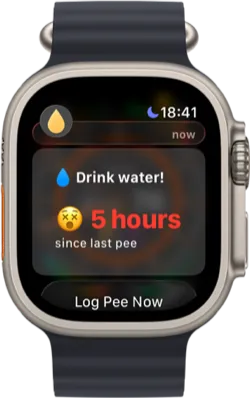
Phone buried in your bag? Tap your Apple Watch and P keeps count, then tells you when you’re falling behind.

The Porta-Potty Problem
Here is the under-discussed festival hydration problem: plenty of people drink less on purpose because they are trying to avoid porta-potties, long bathroom lines, or leaving a good spot near the stage.
That choice is understandable. Festival bathrooms can be gross, crowded, far from the stage, poorly lit at night, or stressful if you are alone. But the strategy can backfire. Drinking less can mean darker, less frequent urine, headache, dizziness, fatigue, and a rougher next morning. It can also make you more likely to ignore the first bathroom urge and keep holding it.
No shaming here. Bodies are bodies, and festivals are crowded. The better plan is to make bathroom logistics part of the day instead of treating them like an interruption. Find the bathroom banks when you arrive. Use the cleaner ones earlier in the day. Go before the headliner rush. If it helps, make pee breaks a buddy check-in rather than a solo mission.
If holding urine is already a recurring issue for you, or if you are thinking about urinary health more broadly, the UTI hydration page covers the hydration and bathroom-frequency context in more detail. One delayed bathroom trip is not a medical event, but a full-day pattern of drinking less and holding it too long is not a great comfort strategy either.
How Much Water Should You Drink at a Festival?
There is no universal liters-per-hour rule for a festival. General guidance discusses steady fluid intake, but the right amount varies with body size, heat, activity, sweat rate, alcohol, food, medications, and how much shade or rest you get.
A useful way to think about it: drink enough that thirst does not become intense and your bathroom frequency does not drop far below normal. If you usually pee several times across an afternoon and you have not gone since breakfast, that is a signal worth noticing.
More is not always better. Extreme overdrinking of plain water can dilute blood sodium, especially in long active events. Exercise-associated hyponatremia is best known from endurance events, but the festival lesson is the same kind of moderation: sip steadily, include food and salt when sweating heavily, and do not force water beyond what feels reasonable.
If you feel wrong in a way that worries you, or if someone is confused, fainting, vomiting repeatedly, or not urinating for many hours with worsening symptoms, go to the medical tent. Do not try to solve serious symptoms with an app, a water bottle, or a packet of electrolytes.
Alcohol at Festivals: The Dehydration Multiplier
Alcohol is not the only reason people feel terrible after a festival day, but it is a big multiplier. It can increase urine output while you are also sweating, dancing, eating salty food, and spending hours in the sun.
The tone here should be practical. If you drink alcohol at festivals, alternate with water, eat real food, and be cautious with full-sun drinking during the hottest part of the day. A shaded food break can do more for your evening than one more drink in a packed crowd.
Alcohol also makes tracking intake less useful. A shared can, a mixed drink, a half-finished seltzer, and a refill station stop are hard to total accurately. Bathroom frequency is easier to observe: have you gone normally, or has the whole afternoon passed without a visit?
One more practical point: alcohol can blur early signs. Headache, dizziness, unusual fatigue, and dry mouth can be shrugged off as normal festival chaos. They may still be signals to slow down, find shade, eat, and drink some water.
How to Tell You Are Getting Dehydrated Mid-Event
Festival symptoms are noisy. Heat, loud music, little sleep, alcohol, crowds, and long walks can all make you feel off. The point is not to diagnose yourself in the middle of a set. The point is to notice patterns early enough to take a sensible break.
Common Cues
Strong thirst, dry mouth, headache, dark or infrequent urine, dizziness, fatigue, and feeling unusually run down can be hydration-related context.
Bathroom Pattern
If you have not peed all afternoon, especially while sweating or drinking alcohol, treat that as a signal to pause and reassess.
Immediate Break
Find shade, sit down, drink gradually, eat something salty if appropriate, and check in with a friend before pushing back into the crowd.
Medical Tent
Confusion, fainting, severe weakness, repeated vomiting, chest pain, or no urination for many hours with worsening symptoms means get medical help.
Wearable data and apps can support awareness, but they do not replace judgment. If a friend is acting confused, cannot stand, or seems dangerously overheated, do not debate whether it is dehydration, alcohol, heat, or something else. Get event medical staff involved.
Why Tracking Output Beats Tracking Intake at a Festival
At a festival, intake tracking breaks down quickly. You may share drinks, refill a bottle halfway, sip from a can, spill some, switch between water and alcohol, and forget what happened between sets. Even a careful person ends up guessing.
Output is simpler. Bathroom visits are observable. If you have not peed all afternoon, that is not a diagnosis, but it is a useful signal. It tells you that your festival plan may need a water stop, a food break, shade, or a slower pace.
P logs a bathroom visit in seconds from your iPhone or Apple Watch. Watch logging is especially useful when your phone is buried in a bag or tucked away for the show. The Apple Watch water tracker page explains that wrist-based flow in more detail.
P is a free app. Reminders and streak tracking are also included for everyday habit support. At a festival, the main value is simpler: the app helps you notice whether your bathroom pattern has changed from your usual day. It does not diagnose dehydration, detect heat illness, or decide whether symptoms are serious.
Festival Hydration Checklist
Use this as a practical packing and day-of list, not a rigid rulebook.
- Bring an allowed refillable bottle. Check the festival rules before you pack, then find the water stations when you arrive.
- Start the morning hydrated. Drink water before you leave, especially if you are camping, traveling, or starting with alcohol early.
- Alternate alcohol and water. Keep it simple: one alcoholic drink, then a water stop, plus food before the day gets chaotic.
- Plan shade breaks. Schedule one during a lower-priority set instead of waiting until you feel awful.
- Use electrolytes thoughtfully. For heavy sweating, salty foods or an electrolyte drink can help balance plain water. Do not overdo either one.
- Make bathroom logistics normal. Locate bathrooms early, go before peak rushes, and use buddy check-ins when it feels easier.
- Log bathroom visits if that helps you notice patterns. A few seconds from iPhone or Apple Watch is easier than counting every drink.
- Know when to get help. Confusion, fainting, repeated vomiting, severe weakness, or worsening symptoms belong at the medical tent.
Track Festival Hydration Awareness in Seconds
Download P before the weekend. Log bathroom visits from iPhone or Apple Watch, keep an eye on your usual pattern, and skip the impossible job of counting every cup.
Frequently Asked Questions
Arrive already hydrated, carry an allowed refillable bottle, and sip steadily through the day rather than forcing large amounts of water at once. Alternate any alcohol with water, eat real food, take shade breaks, and add salty snacks or an electrolyte drink if you are sweating heavily. Find the bathrooms early instead of drinking less to avoid them, notice whether you are peeing much less often than on a normal day, and go to the medical tent for confusion, fainting, or severe weakness.
There is no universal amount that fits every festival day. Body size, heat, sun exposure, dancing, alcohol, food, altitude, medications, and how often you can reach water stations all matter. General hydration guidance is to drink steadily enough that you are not intensely thirsty and your bathroom pattern does not drop far below normal. Avoid forcing large volumes of plain water just because you are nervous about dehydration. Overdrinking can also be risky in long, hot, active events because it can dilute blood sodium. A practical festival approach is to arrive hydrated, sip regularly, eat real food, use shade breaks, include salty foods or electrolytes when sweating heavily, and head to the medical tent if you feel confused, faint, severely weak, or wrong in a way that does not improve.
Yes, alcohol can make festival hydration harder. Human research links alcohol with changes in vasopressin and water balance, and alcohol can increase urine output during the drinking period. At a festival, that effect stacks with sun, heat, dancing, salty food, late nights, and long gaps between normal routines. The practical move is harm reduction, not moralizing: alternate alcoholic drinks with water, eat before and during drinking, take shade breaks, and pay attention to whether you have gone many hours without peeing. Alcohol also makes it easier to miss early cues such as thirst, headache, dizziness, or unusual fatigue. If symptoms feel severe, if someone is confused, or if fainting happens, treat it as a medical-tent situation rather than a hydration-tracking problem.
Common informational signs include strong thirst, headache, dry mouth, dark or infrequent urine, dizziness, unusual fatigue, and feeling worse than expected for the amount of dancing or walking you have done. Thirst can lag when you are distracted, drinking alcohol, or moving between stages, so bathroom frequency is useful context. If you normally pee several times across an afternoon and suddenly have not gone for many hours, that is a signal worth noticing. Serious symptoms need a different response: confusion, fainting, inability to keep fluids down, no urination for many hours with worsening symptoms, chest pain, or severe weakness belong at the medical tent or with medical care. An app can support awareness, but it cannot diagnose dehydration or decide whether symptoms are safe.
Holding it once because the bathroom line is long is common, and it does not mean you did anything wrong. The problem is making a whole-day strategy out of drinking less and ignoring bathroom urges so you can avoid porta-potties. That can backfire: you may drink too little, pee less often than usual, feel headachey or dizzy, and make the next morning feel worse. Holding urine for long stretches can also be uncomfortable, especially for people who already deal with bladder or UTI concerns. A better festival plan is practical and body-positive: learn the bathroom locations early, use cleaner bathrooms before peak times, go with a friend when that feels easier, and avoid treating pee breaks as a failure. Your body is doing normal body things at a crowded event.
Usually, electrolytes are a complement to water, not a total replacement. For a short, mild outdoor concert, plain water and normal meals may be enough for many people. For long, hot festival days with hours of dancing and heavy sweating, salty foods or an electrolyte drink can be useful context, especially if you are drinking mostly plain water. The goal is balance: do not force huge volumes of plain water, and do not assume every electrolyte packet is automatically better. People with high blood pressure, kidney disease, heart disease, pregnancy, or medication questions should follow their clinician’s guidance. If you feel confused, faint, severely weak, or progressively worse, do not try to solve it with a powder packet. Go to the medical tent.
An app can help with hydration awareness if it matches what is realistic at a festival. Logging every bottle, can, shared drink, and refill is hard when you are dancing, walking, and holding your phone with one hand. P takes a different approach: it tracks bathroom visits. Logging a visit takes seconds, and Apple Watch logging is useful when your phone is in a bag. P is a free app, with reminders and streaks included for everyday habit support. This is still a wellness tool, not a medical device. It does not diagnose dehydration, detect heat illness, or decide whether symptoms are serious. Use it as a simple way to notice changes from your usual pattern, and use the medical tent when symptoms feel concerning.
This page summarizes peer-reviewed research for educational purposes. It is not medical advice. Hydration apps are wellness tools, not medical devices. For severe symptoms at an event, use the medical tent or seek medical care.